Bangkok Travel Guide
Paying for a Bangkok Transfer: Cash, Card & Tolls
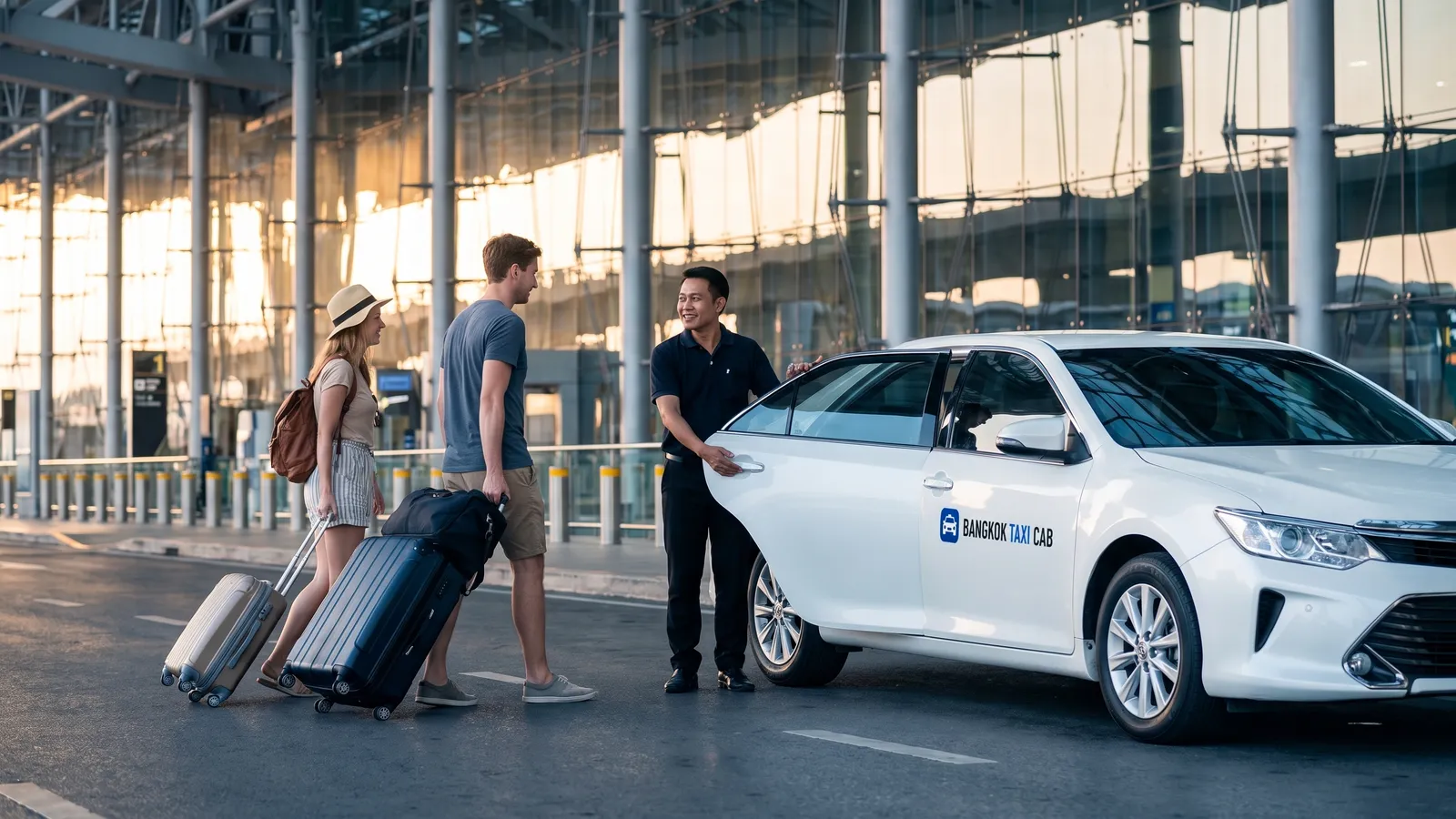
Paying for a ride in Bangkok is refreshingly simple once you know the norms. For most trips, cash in Thai baht is king — you hand the driver the agreed fare and step out. For a pre-booked fixed transfer, the price is settled before you travel, tolls and airport fees are already inside it, and nothing is charged to you until you arrive. No meter drama, no surprise line items.
This guide walks through exactly how payment works, so you land knowing what you owe and how to pay it.
Cash in Thai baht is still king
Thailand runs on cash more than most first-time visitors expect. A driver will almost always prefer baht in hand, and for street taxis it’s effectively required — many won’t take cards at all. So the single most useful thing you can do is arrive with a bit of local currency.
The easiest place to get baht is the ATMs in the airport arrivals hall. Rates there are fine for a first withdrawal, and you’ll walk out with cash for your ride, a SIM card, and your first meal. Airport currency-exchange counters (look for SuperRich-style booths) also give competitive rates — usually better than exchanging at home.
One practical tip: ask for, or break down to, small notes. A driver settling a 600 THB fare may struggle to change a single 1,000 THB note, especially early morning or late at night. Aim to carry a mix of 100s and 500s. If the ATM only dispenses 1,000s, buy a coffee or a SIM first and you’ll have change ready.
Card payment by link, in advance
If you’d rather not fumble for cash after a long flight, paying by card ahead of time is the tidy alternative. Rather than tapping a machine in the car, you settle up before you travel using a secure payment link, and the driver simply greets you and drives — nothing changes hands on arrival.
A few things worth knowing about card payment:
- It’s arranged before the trip, not in the vehicle. Street taxis don’t offer this; it’s a feature of pre-booked private transfers.
- A small card-processing fee of around 2.9% may apply, since the payment provider charges to handle the transaction. On a 600 THB fare that’s roughly 17 THB.
- Once it’s paid, it’s genuinely done — you arrive, meet your driver, and go, with zero payment admin at the kerb.
For travellers who don’t want to hunt for an ATM or count notes at 2am, that convenience is often worth the small fee. Cash-only travellers skip it entirely and simply pay baht on arrival.
Are tolls and airport fees included?
This is the question that trips people up most, so here’s the clear answer: for a pre-booked fixed transfer, yes — tolls, expressway charges and airport fees are all included in the price you were quoted. The number you agreed at booking is the number you pay. Full stop.
That matters because Bangkok’s expressways carry tolls of roughly 25–75 THB each, and there can be two or three on a longer run. Suvarnabhumi and Don Mueang also add fees to metered pickups. With a fixed transfer, none of that lands on you separately — it’s all baked into the single per-car price, so a delayed flight or a busier-than-usual route never changes what you owe.
Contrast that with a metered street taxi, where the fare is only the starting point:
- The meter total, which climbs with time and distance (and keeps ticking in traffic).
- A 50 THB airport surcharge on pickups from Suvarnabhumi or Don Mueang.
- Tolls paid by you, the passenger, on top of the meter — usually handed over in cash at each booth.
So a metered taxi’s “cheap” fare is really meter + 50 THB + tolls, assembled as you go. A fixed transfer folds all of it into one agreed number in advance. Neither is wrong; they’re just different ways to pay. You can see all fixed fares to compare against a typical metered run.
Tipping: kind, not compulsory
Thailand is not a heavy tipping culture, and drivers do not expect a percentage the way they might in some countries. You will never be chased for a tip, and leaving nothing extra is completely normal and not considered rude.
That said, a small gesture is genuinely appreciated. The common, easy habit is simply to round up: if the fare is 570 THB, handing over 600 and waving away the change is a warm, natural thank-you. For a driver who helped with heavy bags, waited patiently, or navigated a tricky late-night arrival, rounding up 20–50 THB is a kind touch — but it’s your call, every time.
The takeaway: tip if you’d like to, at a level that feels right to you, and never feel obliged. Kindness here is optional and low-stakes.
Paying on arrival vs prepayment
Here’s how the timing shakes out, because it’s a common worry when booking from abroad.
A fixed private transfer is pay-on-arrival by default. When you book, nothing is charged — you’re reserving the car and locking the price, not paying up front. You settle the agreed fare in cash when you meet your driver, and that’s it. There’s no deposit, no card hold, and no charge sitting on your statement while you travel.
If you’d prefer the card-link route described above, that flips it to prepayment — you pay before the trip and arrive with nothing to settle. Both are valid; it simply comes down to whether you’d rather hand over baht at the kerb or clear it in advance. Either way, the total is fixed and known before you ever get in the car. You can read exactly how booking works to see each step.
The short version
For most visitors the whole thing is easy: pull baht from an airport ATM, carry small notes, and pay your driver on arrival. With a fixed transfer the tolls, expressway charges and airport surcharge are already inside your quoted price, tipping is a friendly round-up rather than an obligation, and booking charges you nothing until you’re safely in the car.
If you’d like the certainty of a set price and a driver waiting at arrivals, explore our private transfer services in Bangkok — one clear fare, all fees included, paid the way that suits you.